
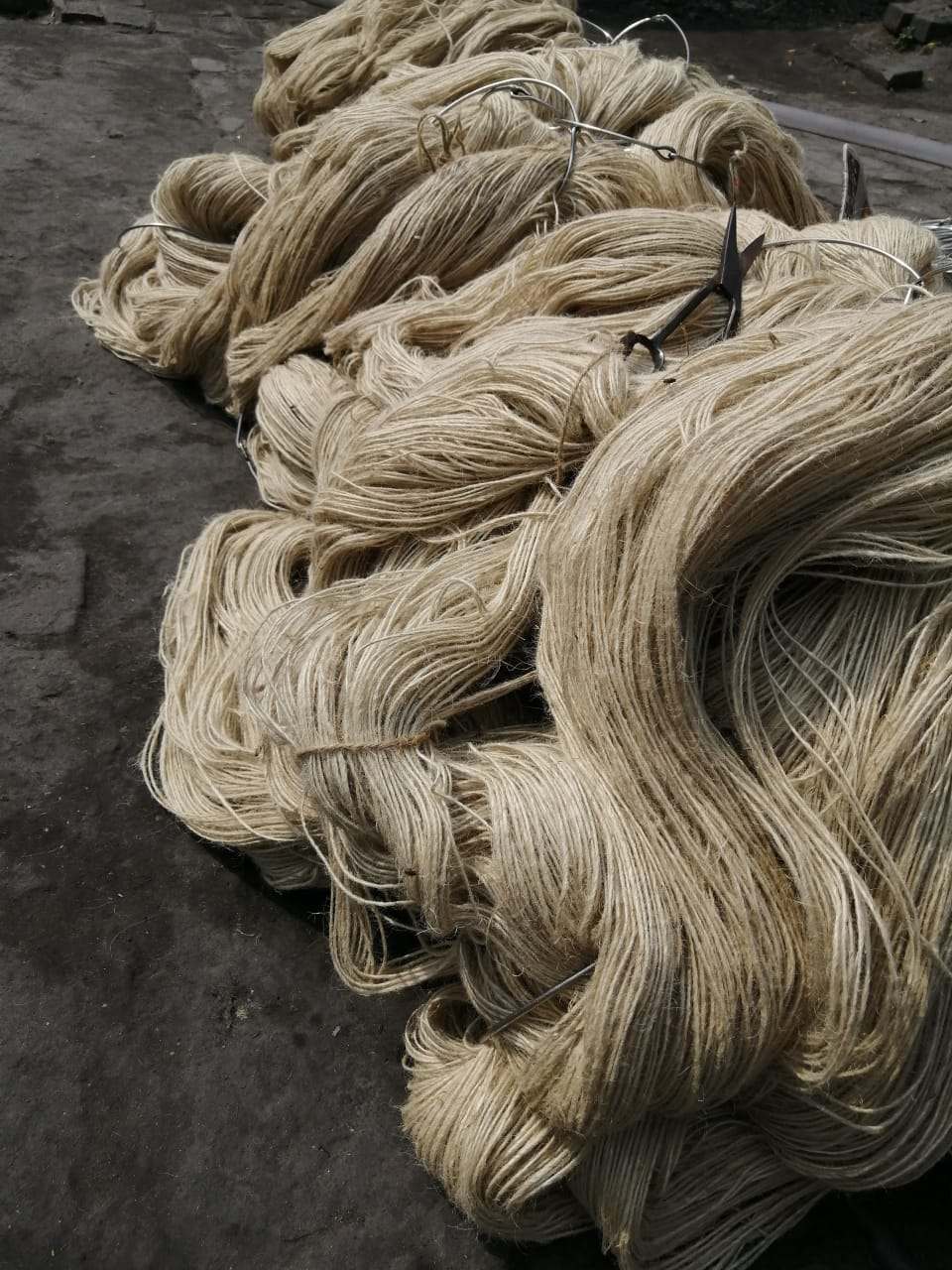
1. Wool – The Most Popular Rug Fiber
Wool is the most widely used material in handcrafted rugs due to its durability and natural softness. High-quality wool creates rugs that can last for decades while maintaining their beauty.
Types of Wool Used in Handknotted Rugs
New Zealand Wool – premium quality, strong, and naturally lustrous
Merino Wool – extremely soft and luxurious
Cashmere Wool – ultra-soft with a refined texture
Alpaca Wool – silky feel with excellent warmth and durability
Mohair Wool – naturally shiny with strong fibers
Benefits of Wool Rugs
Highly durable
Naturally stain resistant
Soft underfoot
Excellent color absorption
2. Silk – The Ultimate Luxury Material
Silk rugs are known for their brilliant sheen, intricate detailing, and luxurious feel. Silk is often used either entirely or blended with wool to highlight patterns and create stunning visual contrast.
Types of Silk Used in Rugs
Pure Silk
Bamboo Silk
Viscose Silk (Artificial Silk)
Benefits of Silk Rugs
Exceptional shine and elegance
Allows very fine knotting for intricate designs
Creates rich color depth and texture
3. Bamboo Silk – Sustainable Luxury
Bamboo silk is a popular eco-friendly alternative to traditional silk. It offers a soft texture and natural sheen, making it ideal for modern luxury rugs.
Advantages
Sustainable material
Smooth and silky texture
Elegant shine similar to natural silk
4. Viscose – Affordable Silk Look
Viscose is often used to replicate the shine of silk while keeping costs lower. It adds brightness and contrast when combined with wool.
Benefits
Silk-like appearance
Enhances design highlights
Cost-effective luxury option
5. Jute – Natural and Rustic
Jute is a natural fiber used for creating rugs with organic textures and earthy aesthetics. It is ideal for rustic or eco-friendly interiors.
Advantages
Sustainable and biodegradable
Natural texture
Perfect for casual interiors
6. PET Yarn – Sustainable Recycled Fiber
PET yarn is made from recycled plastic bottles and is increasingly used in modern rug production. It provides durability while supporting environmentally responsible manufacturing.
Benefits
Eco-friendly recycled material
Strong and durable
Suitable for indoor and outdoor rugs
7. Nylon – Strength and Durability
Nylon is sometimes used in rugs that require extra durability and resistance to wear. It is ideal for high-traffic areas.
Advantages
Highly durable
Resistant to wear and tear
Long-lasting performance
Custom Material Combinations at Nitya Exports
At Nitya Exports, we specialize in custom handknotted rugs, allowing clients to select the perfect fiber combinations based on design, durability, and budget.
We work with materials including:
Wool (New Zealand, Merino, Cashmere, Alpaca, Mohair)
Pure Silk
Bamboo Silk
Viscose Silk
PET Yarn
Jute
Nylon
Our custom rug production ensures that each piece meets the exact requirements of interior designers, wholesalers, retailers, and luxury home projects worldwide.
Conclusion
The beauty of handknotted rugs lies not only in their craftsmanship but also in the premium materials used to create them. From durable wool and luxurious silk to eco-friendly fibers like bamboo silk and PET yarn, each material contributes to the rug’s character, texture, and longevity.
At Nitya Exports, we combine traditional weaving techniques with a wide range of high-quality materials to create custom handcrafted rugs tailored to every design vision.